
Introduction
In an age where technology intertwines with our daily lives, smart locks have emerged as a revolutionary solution for home security. Among these, smart locks with fingerprint readers stand out due to their advanced security features and ease of use. This article delves into the intricacies of fingerprint-enabled smart locks, providing a thorough security analysis and vulnerability testing to help consumers make informed decisions.
Understanding Smart Locks
What Are Smart Locks?
Smart locks are electronic locks that allow users to control access through various methods, including mobile apps, keypads, and biometrics. Among these methods, fingerprint recognition has gained popularity for its blend of convenience and security.
How Fingerprint Readers Work
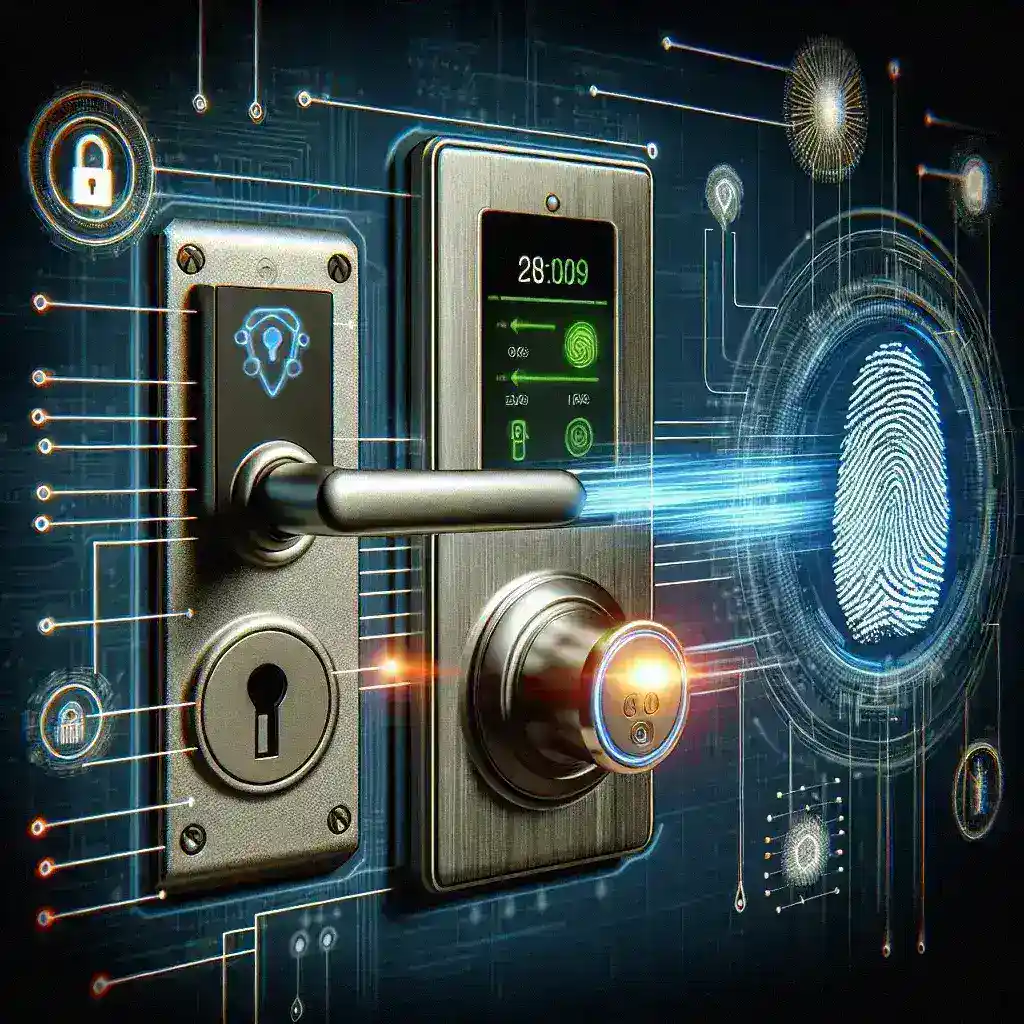
Fingerprint readers utilize a scanner to capture and analyze the unique patterns of an individual’s fingerprint. When a fingerprint is placed on the scanner, it is compared against stored fingerprint data, allowing access if there is a match.
Security Features of Smart Locks with Fingerprint Readers
Biometric Security
One of the primary security features of smart locks with fingerprint readers is biometric authentication. This method ensures that only authorized users can unlock the door, significantly reducing the risk of unauthorized access.
Encryption Standards
Many smart locks employ advanced encryption standards to protect the data stored within the device. AES (Advanced Encryption Standard) is commonly used, ensuring that even if a hacker intercepts the data, it remains unreadable.
Remote Access and Monitoring
Smart locks often come with mobile applications that allow users to manage access remotely. Users can grant temporary access to guests, monitor entry logs, and receive alerts for suspicious activity.
Vulnerability Testing: Identifying Weaknesses
Potential Vulnerabilities in Smart Locks
While smart locks provide enhanced security, they are not invulnerable. Common vulnerabilities include:
- Software Flaws: Bugs in the firmware can create loopholes that hackers may exploit.
- Weak Passwords: If the associated accounts use weak passwords, they can be easily compromised.
- Biometric Fakeouts: Sophisticated methods can sometimes bypass biometric authentication using artificial fingerprints.
Testing Methodologies
To assess the security of smart locks, various testing methodologies can be employed:
- PEN Testing: Penetration testing simulates cyber-attacks to identify vulnerabilities.
- Physical Security Tests: Assessing the lock’s resistance to physical tampering.
- Software Security Audits: Evaluating the software for any potential weaknesses.
Real-World Examples of Vulnerabilities
Case Study: The 2017 Smart Lock Breach
A well-known smart lock brand faced significant scrutiny in 2017 when several of its models were found to have firmware vulnerabilities that allowed unauthorized access. This breach prompted a recall and software updates, highlighting the importance of regular maintenance and updates for smart lock systems.
Expert Opinions
Cybersecurity experts emphasize the need for comprehensive security measures beyond just fingerprint authentication. “While biometric systems are more secure than traditional keys, they are not foolproof. Users must remain vigilant and adopt multifaceted security strategies,” states Dr. Jane Smith, a leading expert in home security.
Best Practices for Using Smart Locks
Choosing the Right Smart Lock
When selecting a smart lock with a fingerprint reader, consider the following:
- Look for models with robust encryption and security certifications.
- Check for regular firmware updates from the manufacturer.
- Consider locks with additional authentication methods, such as PIN codes or mobile app access.
Maintaining Your Smart Lock
Regular maintenance is crucial for ensuring the longevity and security of your smart lock:
- Update the firmware regularly as new updates become available.
- Change passwords associated with the device frequently.
- Inspect the lock for any signs of physical tampering or wear.
The Future of Smart Locks
Technological Advancements
As technology evolves, so do smart locks. Future advancements may include:
- Enhanced biometric systems that utilize multiple fingerprint scans for added security.
- Integration with smart home systems for improved automation.
- Artificial intelligence to predict and detect unusual access patterns.
Consumer Adoption Trends
The adoption of smart locks is expected to grow as consumers become more aware of their benefits. According to a recent survey, over 65% of homeowners expressed interest in upgrading to smart home technologies, including locks with fingerprint readers.
Conclusion
Smart locks with fingerprint readers offer a blend of security and convenience, making them an appealing choice for modern homeowners. However, it is essential to remain aware of potential vulnerabilities and take proactive steps to safeguard your home. By understanding the technology, assessing vulnerabilities, and implementing best practices, users can enjoy the benefits of smart locks while minimizing risks. As we look to the future, advancements in smart lock technology promise even greater security solutions for our homes.