
Introduction
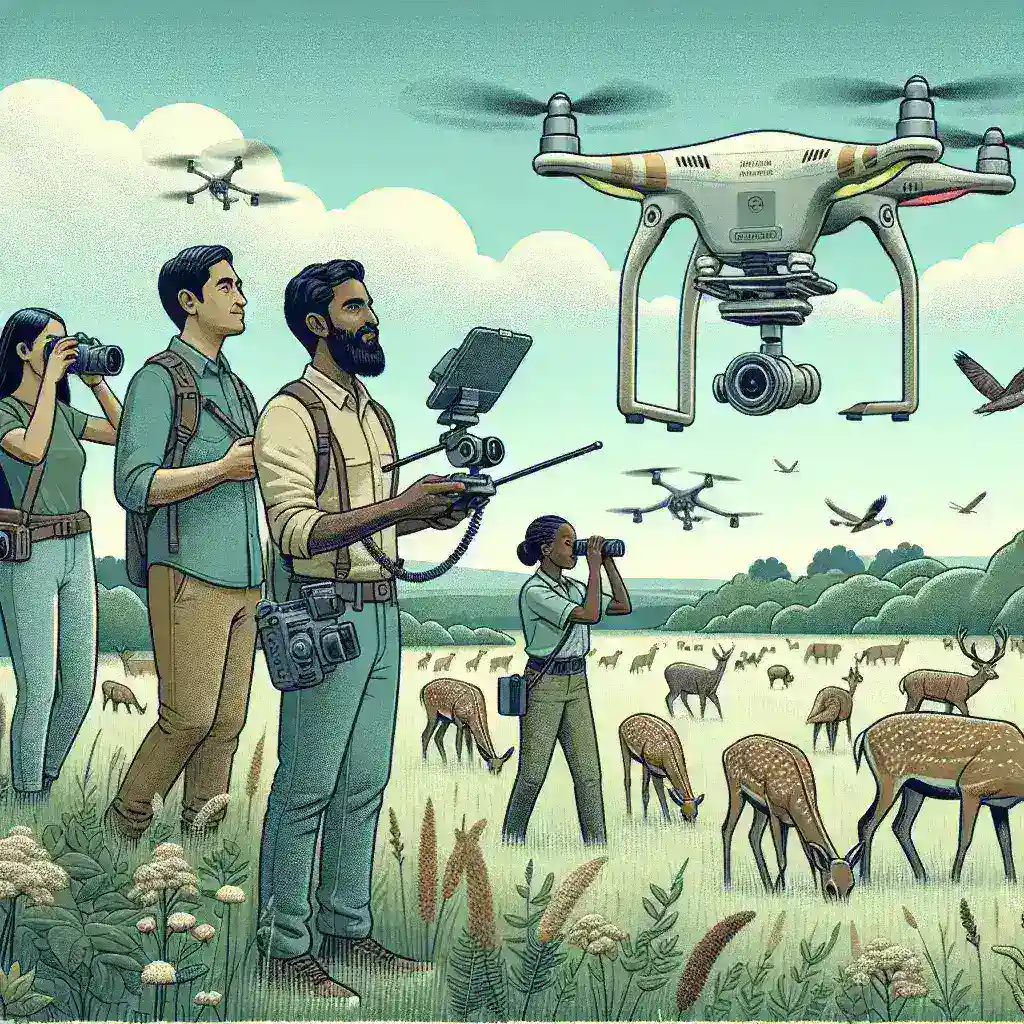
The world of wildlife cinematography is on the brink of a technological revolution, thanks to DJI’s latest announcement regarding their new silent-propeller drones. Designed to minimize noise and maximize efficiency, these drones are set to reshape how filmmakers capture the beauty of nature without disturbing its inhabitants. In this article, we’ll delve into the features of these innovative drones, the implications for wildlife filming, and what this means for the future of cinematography.
The Need for Silent Drones in Wildlife Filming
Wildlife filmmakers face a unique set of challenges when capturing footage in natural settings. Traditional drones, while effective, often create noise that can scare away animals and disrupt their behaviors. The introduction of silent-propeller drones addresses this critical issue, allowing filmmakers to capture stunning footage while maintaining a respectful distance from their subjects.
Understanding the Technology Behind Silent Propellers
DJI’s silent-propeller technology utilizes a combination of advanced aerodynamics and innovative materials to reduce noise levels significantly. The key features include:
- Noise Reduction: By optimizing the design of the propellers, DJI has succeeded in minimizing the sound produced during flight, making the drones virtually silent.
- Enhanced Efficiency: The new propeller design not only cuts down on noise but also improves flight efficiency, allowing for longer flight times and greater maneuverability.
- Lightweight Construction: Using advanced materials, DJI has kept the drones lightweight, ensuring they can easily navigate challenging terrains.
Benefits of Silent-Propeller Drones for Filmmakers
The introduction of these drones presents several advantages for wildlife filmmakers:
- Less Disturbance to Wildlife: The reduced noise levels enable filmmakers to capture authentic behaviors without alerting the animals.
- Improved Footage Quality: With the ability to film without disturbing the environment, filmmakers can produce more natural and compelling narratives.
- Expanded Shooting Opportunities: Filmmakers can now explore areas that were previously inaccessible due to noise restrictions.
Real-World Applications
The practical applications of DJI’s silent-propeller drones are numerous. For example, wildlife documentaries that focus on elusive species such as big cats or birds can benefit immensely from this technology. By allowing filmmakers to observe and record these animals in their natural habitat without interference, the quality of the storytelling is enhanced.
Case Study: Filming the Majestic Snow Leopard
Consider a wildlife documentary crew attempting to film the elusive snow leopard in the rugged mountains of Central Asia. Traditional drones would likely spook these solitary animals, making it nearly impossible to capture the footage needed to tell their story. However, with the new silent-propeller drones, the crew can quietly observe the snow leopards as they hunt and interact with their cubs, resulting in breathtaking footage that highlights their natural behaviors.
Future Predictions: The Evolution of Wildlife Cinematography
As technology continues to advance, we can predict several trends in wildlife cinematography driven by innovations like DJI’s silent-propeller drones:
- Integration of AI Technology: Future drones may incorporate AI to help identify and track wildlife, further enhancing filmmakers’ ability to capture stunning visuals.
- Greater Accessibility: As drone technology becomes more affordable, a wider range of filmmakers will have access to these tools, democratizing wildlife filmmaking.
- Increased Collaboration with Conservation Efforts: Filmmakers will be able to work alongside conservationists to document endangered species with minimal disturbance.
Challenges and Considerations
While the benefits of silent-propeller drones are significant, there are challenges and considerations to keep in mind:
- Regulatory Restrictions: Filmmakers must navigate varying regulations regarding drone usage in wildlife areas.
- Training and Expertise: Operating advanced drones requires skill and knowledge, which may necessitate training for filmmakers.
- Ethical Responsibility: Filmmakers must remain vigilant about their ethical responsibility to wildlife, ensuring that their work does not inadvertently harm any species.
Conclusion
DJI’s announcement of silent-propeller drones marks a significant advancement in the field of wildlife filmmaking. By reducing noise and enhancing filming capabilities, these innovative drones are set to transform how filmmakers capture the beauty and intricacies of the natural world. As technology continues to evolve, we can only imagine the breathtaking footage that awaits us, forging a deeper connection between audiences and the wildlife that shares our planet.