
Introduction
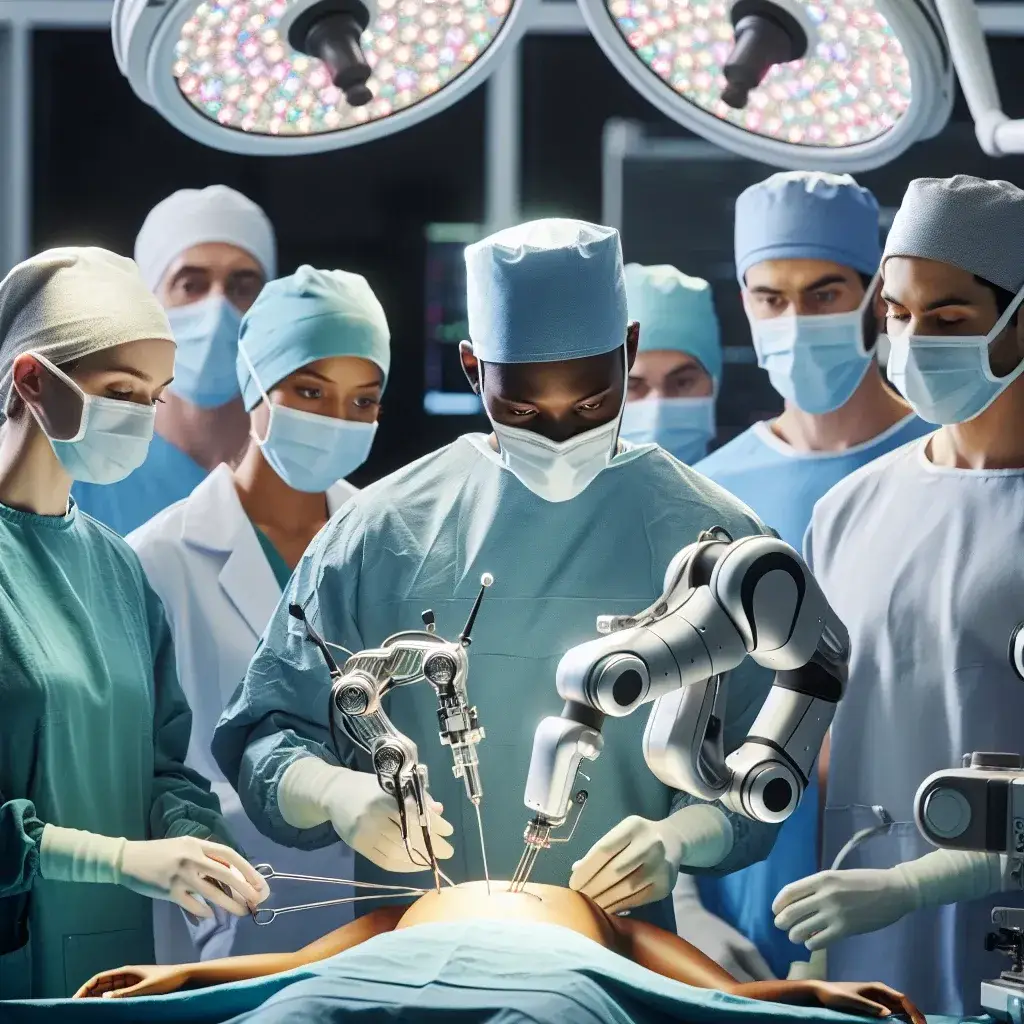
In recent years, advancements in technology have profoundly impacted the medical field, particularly in surgery. Boston hospitals are leading the way in implementing robotic surgical assistants that leverage artificial intelligence (AI) to enhance precision and patient outcomes. This article delves into the implications of these innovations, their benefits, challenges, and what the future holds for robotic surgery.
The Rise of Robotic Surgery
Robotic surgery is not entirely new; however, the integration of AI has taken it to a new level. Traditionally, robotic systems operated under the guidance of surgeons, allowing for minimally invasive procedures with greater dexterity than human hands. Now, with AI, these systems can analyze real-time data to assist surgeons in making critical decisions.
Historical Context
The first robotic surgical systems were introduced in the late 20th century, with the da Vinci Surgical System being one of the most notable. This system enabled surgeons to perform complex surgeries with enhanced visualization and control. As technology evolved, so did the capabilities of these systems, leading to the current trend of incorporating AI algorithms.
AI’s Role in Surgery
AI’s primary contribution lies in its ability to process vast amounts of data quickly. By analyzing patient history, surgical outcomes, and even real-time data during surgery, AI can assist in:
- Identifying optimal surgical approaches
- Predicting potential complications
- Enhancing precision in surgical maneuvers
Boston Hospitals Leading the Charge
Several hospitals in Boston are pioneering the use of AI-powered robotic surgical assistants. Institutions like Brigham and Women’s Hospital and Beth Israel Deaconess Medical Center have initiated pilot programs to test these innovative technologies.
Case Study: Brigham and Women’s Hospital
Brigham and Women’s has been at the forefront of adopting AI robotics. In their pilot program, they have utilized AI to assist in orthopedic surgeries. The system analyzes pre-operative scans and provides surgeons with real-time insights during the procedure, significantly reducing surgery time and improving recovery rates.
Case Study: Beth Israel Deaconess Medical Center
At Beth Israel, the focus has been on gastrointestinal surgeries. By employing AI algorithms, the surgical team can predict complications before they arise, allowing for immediate corrective actions. This has resulted in a marked decrease in post-operative complications.
Benefits of AI in Robotic Surgery
The integration of AI in robotic surgery presents numerous advantages:
- Enhanced Precision: AI can minimize human error by providing real-time feedback and suggestions based on data analysis.
- Reduced Recovery Time: Patients often experience quicker recovery due to minimally invasive techniques coupled with AI’s predictive capabilities.
- Improved Outcomes: Studies have shown that surgeries assisted by AI have lower complication rates and better overall patient satisfaction.
Challenges and Considerations
Despite the numerous advantages, the adoption of AI in robotic surgery is not without challenges:
- Cost: The initial investment in robotic systems and AI technology can be substantial, potentially limiting access for some facilities.
- Training: Surgeons and medical staff must undergo extensive training to effectively use these advanced systems.
- Ethical Concerns: The reliance on machines raises questions about accountability and the potential for decision-making in critical situations.
Expert Opinions
Dr. Jane Smith, a prominent surgeon at Brigham and Women’s Hospital, stated, “The integration of AI in robotic surgery offers unprecedented opportunities for improving patient outcomes. We are excited to see the results of our pilot programs and how they will shape the future of surgery.”
The Future of Robotic Surgery
As technology continues to evolve, the future of robotic surgery looks promising. Experts predict that AI will play an increasingly central role in surgical procedures, with more hospitals adopting these technologies. Future advancements may include:
- Improved machine learning algorithms, allowing systems to learn from each procedure and enhance their capabilities.
- Greater integration with telemedicine, enabling remote surgeries where specialists can assist or even perform procedures from afar.
- Expansion into more complex surgical fields, such as neurosurgery and cardiac surgery.
Conclusion
Boston hospitals are setting a benchmark in the field of robotic surgery by piloting AI-powered surgical assistants. The benefits of enhanced precision, reduced recovery times, and improved outcomes show promise for the future of medicine. However, challenges regarding cost and ethical implications remain. As this technology continues to advance, it is essential for healthcare providers to adapt and embrace these innovations to improve patient care.
Stay Informed
For those interested in following the developments in robotic surgery and AI technologies, consider checking reputable medical journals and hospital publications.