
Introduction
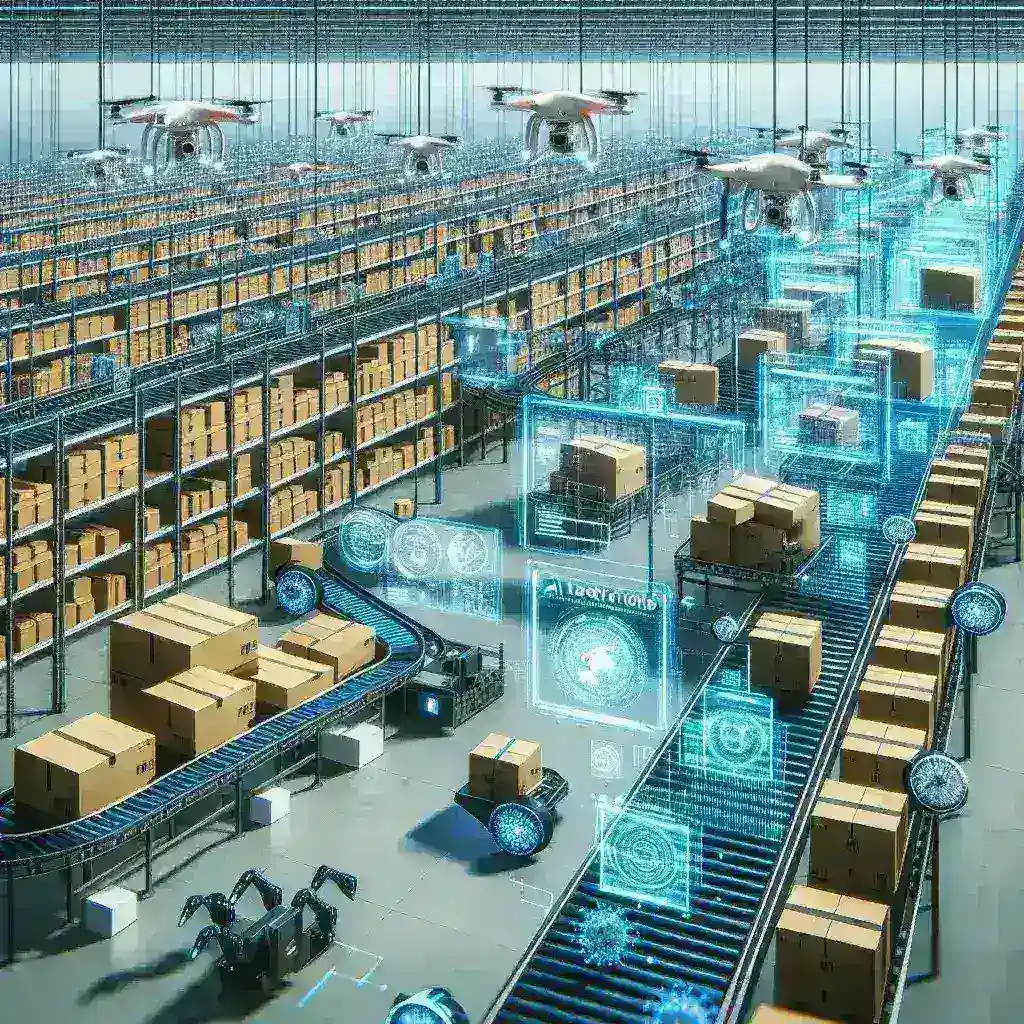
In the ever-evolving world of e-commerce, logistics plays a pivotal role in determining the success of businesses. With the rise of digital shopping, companies are now turning to advanced technologies to enhance their logistics strategies. One such emerging player in this arena is Temu, which is making waves with its innovative approach to AI logistics planning. This article delves into how Temu is transforming its logistics framework, the implications of such advancements, and what it could mean for the future of online retail.
The Rise of AI in Logistics
The logistics sector has traditionally been associated with manual processes and a reliance on historical data. However, the integration of artificial intelligence has begun to redefine these paradigms. AI can analyze vast datasets in real-time, allowing for predictive analytics that leads to better decision-making. Temu’s expansion into AI logistics planning is not just a trend; it’s a strategic move to capitalize on these capabilities.
What is AI Logistics Planning?
AI logistics planning refers to the use of artificial intelligence to streamline and optimize logistics operations. This can include everything from demand forecasting to route optimization and inventory management. By harnessing the power of AI, companies can enhance their operational efficiency, reduce costs, and ultimately improve customer satisfaction.
Temu’s Innovative Approach
Temu has strategically positioned itself to take advantage of these AI capabilities. Through the implementation of sophisticated algorithms and machine learning models, the company is driving significant enhancements in its logistics operations.
1. Predictive Analytics for Demand Forecasting
At the heart of Temu’s AI logistics planning is predictive analytics. By analyzing patterns in consumer behavior, Temu can forecast demand for various products with remarkable accuracy. This enables the company to adjust its inventory levels proactively, reducing the risks associated with overstocking and stockouts.
2. Route Optimization
Another critical area where AI is making an impact is in route optimization. Temu utilizes AI-powered tools to assess traffic patterns, weather conditions, and delivery schedules to optimize delivery routes. This not only saves time but significantly reduces fuel costs and carbon emissions, aligning with the growing demand for sustainable logistics solutions.
3. Inventory Management
AI-driven inventory management systems allow Temu to track stock levels in real-time and automate reordering processes. This ensures that popular items remain in stock while minimizing excess inventory. As a result, Temu can better meet customer demands without incurring unnecessary costs.
Benefits of AI Logistics Planning
The integration of AI into logistics provides several advantages:
- Increased Efficiency: Automation of repetitive tasks reduces the workload on human employees, allowing them to focus on strategic initiatives.
- Cost Reduction: Optimized routes and inventory management lead to lower operational costs.
- Improved Customer Experience: Faster and more reliable deliveries enhance customer satisfaction and loyalty.
- Scalability: AI solutions can easily scale with the growth of the business, adapting to increased demand without sacrificing performance.
Challenges and Considerations
While the benefits of AI logistics planning are substantial, there are also challenges that Temu must navigate:
- Data Privacy: As AI relies heavily on data, ensuring the privacy and security of customer information is paramount.
- Implementation Costs: The initial investment in AI technologies can be significant, requiring careful financial planning.
- Skill Gap: There is a need for skilled professionals who can operate and maintain AI systems, necessitating training and education.
The Future of Temu and AI Logistics
As Temu continues to expand its AI logistics capabilities, the potential for future innovation is vast. The ongoing development of AI technologies promises even greater efficiencies and improvements in logistics operations. For instance, the incorporation of autonomous delivery vehicles and drone deliveries could further revolutionize the way products reach consumers.
Predictions for the Coming Years
Experts predict that as AI technology matures, we will see:
- Further Automation: More aspects of logistics operations will become automated, leading to faster processing times.
- Enhanced Predictive Capabilities: AI will provide even more precise forecasts, allowing companies to adapt to market changes swiftly.
- Integration of Blockchain: Combining AI with blockchain technology could enhance transparency and security in logistics.
Conclusion
Temu’s expansion into AI logistics planning signifies a transformative step in the e-commerce landscape. By leveraging advanced technologies, the company is not only optimizing its operations but also setting new benchmarks for the industry. As the digital marketplace continues to evolve, Temu’s commitment to innovation through AI will undoubtedly play a crucial role in its ongoing success. The future of logistics is here, and Temu is at the forefront of this exciting journey.